
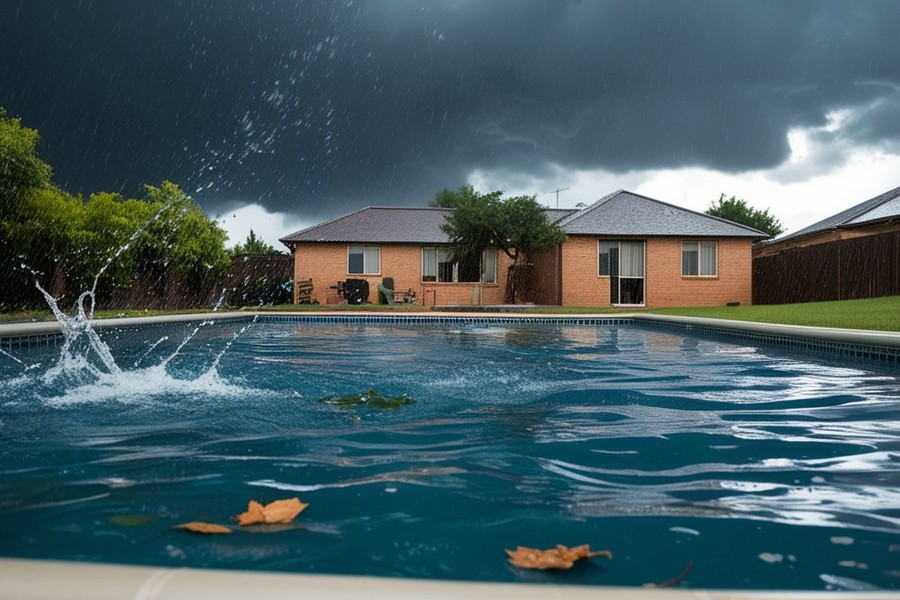
How Rainfall & Storms Affect Your Pool
Owning a swimming pool in Boksburg, Gauteng is a luxurious addition to any home, especially during South Africa’s warm summers. However, rainfall and storms can have significant effects on pools — from water chemistry to debris accumulation and equipment strain. Understanding these impacts is essential for pool owners who want to maintain clean, clear, and safe water throughout the year.
At Boksburg Pool Services, we help pool owners understand how weather conditions affect their pools. Here’s a closer look at the main ways rainfall and storms influence your pool.
Dilution of Pool Chemicals
One of the most immediate effects of rain is the dilution of pool chemicals. Rainwater entering a pool lowers chlorine levels and alters the pH balance, which can lead to cloudy water or reduced sanitation.
Rainwater is naturally acidic, with a pH of around 5.0 to 5.5, whereas pool water is ideally maintained between 7.2 and 7.6. Heavy rainfall can shift this balance, affecting the overall chemical stability of the pool. Pools with disrupted chemical levels are more susceptible to bacterial growth and algae formation, which can become noticeable within a short period after a storm.
Debris and Contamination
Rainstorms often carry dust, leaves, and other debris into the pool. In addition, runoff from gardens, lawns, and surrounding areas can introduce soil, fertilizers, and pollutants. These contaminants not only make the water appear dirty but can also influence chemical balance and filtration efficiency.
Organic material such as leaves and grass can add phosphates to the water, providing nutrients for algae. This is one of the primary reasons pools tend to turn green or develop cloudy water after storms in Boksburg and other parts of Gauteng.
Rising Water Levels
Heavy rainfall can lead to significantly elevated water levels, sometimes even causing minor overflow. When water rises above the skimmer opening, the filtration system may become less effective at removing floating debris.
Excessive water can also place additional pressure on the pool’s structure and surrounding areas. In extreme cases, prolonged overflow during storms can impact landscaping or nearby structures, leading to potential damage if not monitored.
Algae and Microbial Growth
Storms create ideal conditions for algae and other microorganisms. Warm temperatures, diluted chemicals, and the influx of organic matter provide a perfect environment for algae to thrive. Even a small amount of algae spores can multiply rapidly, changing the colour and clarity of the pool water.
Pools in Boksburg often show signs of algae growth shortly after heavy rainfall, especially during periods of frequent storms combined with high temperatures.
Equipment Strain and Potential Damage
Storms can also affect pool equipment. Wind, heavy rain, and flooding may stress pumps, filters, and heating systems. Electrical components in pool systems are particularly vulnerable to exposure from high moisture levels or minor flooding.
Repeated exposure to severe weather conditions can reduce the lifespan of equipment and increase the need for repairs or maintenance. Pools in areas with frequent thunderstorms may be at higher risk, requiring extra attention to the durability and placement of pool systems.
Water Clarity and Aesthetic Changes
Heavy rainfall can cause noticeable changes in water clarity and colour. The influx of rainwater often stirs up debris, disturbs settled sediments, and reduces the water’s overall aesthetic appeal.
Storms may also temporarily affect the surface tension and movement of the water, causing swirling debris or cloudy water. For pool owners who prioritize a clean and inviting swimming environment, even short-term changes in clarity can be a concern.
Rainfall and storms in Boksburg and Gauteng can have multiple effects on swimming pools, from chemical dilution and debris accumulation to algae growth, equipment strain, and aesthetic changes. Understanding these impacts is crucial for pool owners who want to maintain their pool’s appearance, water quality, and long-term performance.
At Boksburg Pool Services, we specialise in pool maintenance and inspection, ensuring that pool owners in the region stay informed about the effects of local weather conditions on their pools. Regular monitoring of water levels, chemicals, and equipment can help identify changes caused by storms and maintain a safe and beautiful swimming environment.
🌐 Visit www.boksburgpoolservices.co.za to learn more about our services and expertise in pool care across Boksburg and Gauteng.
Frequently Asked Questions (FAQ)
1. How does heavy rain affect my pool water?
Heavy rain dilutes chlorine levels, changes pH balance, and introduces debris and organic matter into the pool.
2. Can storms cause algae to grow faster?
Yes. Rain, combined with warm temperatures and nutrient-rich debris, creates ideal conditions for algae growth.
3. Does rainfall affect pool equipment?
Storms with heavy rain or wind can place strain on pumps, filters, and electrical components, potentially shortening their lifespan.
4. Why does my pool water turn cloudy after a storm?
Cloudiness results from chemical imbalance, debris in the water, and disturbed sediments at the pool’s bottom.
5. Are pools in Boksburg more affected by storms than other regions?
Pools in Gauteng, including Boksburg, can experience sudden storms and heavy rainfall, making monitoring and maintenance essential.
Other Pool Renovation Services Include:
Pool Revamp
Fibreglass Pool Renovation
Resurfacing
Resizing of Pools
Epoxy Pool Paint
Relining
Pool Leak Detection
Tiling


