
Simplifying the Pool Resurfacing Process: A Step-by-Step Guide
Is your pool looking a bit worse for wear? Don’t fret! Pool resurfacing might be just what it needs to regain its former glory. Here’s a simple breakdown of the pool resurfacing process.
The pool resurfacing process is a vital part of restoring and extending the life of your swimming pool. Over time, pool surfaces can become cracked, stained, or rough, making resurfacing essential for both aesthetic and functional reasons. The process typically involves draining the pool, preparing the surface by removing old materials, applying a new finish—such as marbelite, fiberglass, or quartz—and then curing it properly to ensure durability. A professional pool resurfacing process not only improves the appearance of your pool but also helps prevent future leaks and structural damage. Whether you’re in need of a fresh new look or repairing worn-out surfaces, resurfacing is a smart investment for pool owners.
Assessment and Preparation
The first step is to assess the condition of your pool. Subsequently, a professional will inspect for cracks, chips, or other damages. Once assessed, the pool is drained and cleaned thoroughly to remove any debris or algae buildup.
Repairing Damages
Any cracks or chips are repaired using a suitable filler material. This step ensures a smooth and even surface for the new coating.
Priming
Before applying the new surface, the pool is primed to enhance adhesion. The primer acts as a bonding agent between the existing pool surface and the new coating.
Applying the New Surface
The chosen surface material, often plaster, pebble, or tile, is applied evenly to the pool’s interior. Moreover, careful attention is paid to ensure a smooth and uniform application. Plaster is the most common choice due to its affordability and smooth finish. Pebble and tile surfaces offer durability and aesthetic appeal but come at a higher cost.
Smoothing and Finishing
Once the surface material is applied, it is smoothed out to remove any imperfections. This step ensures a sleek and uniform appearance for your pool.
Curing
After application, the new surface needs time to cure properly.
This typically takes a few days; meanwhile, the pool must remain empty to allow for proper drying.
Filling and Balancing
The pool is refilled with water once cured. It’s essential to test and balance the water chemistry to ensure optimal pH and chemical levels for swimming.
Final Inspection
A final inspection is conducted to ensure that the resurfacing job meets quality standards. Any necessary touch-ups or adjustments are made at this stage.
Maintenance Tips for Pool Resurfacing Process
To prolong the lifespan of your newly resurfaced pool, regular maintenance is key. Additionally, consistent upkeep helps prevent deterioration and ensures your pool remains in optimal condition for years to come. This includes routine cleaning, as well as monitoring chemical levels and addressing any minor repairs promptly.
In summary, pool resurfacing straightforwardly revitalizes your old pool. By actively following these steps and investing in professional services, you can relish a rejuvenated pool for years ahead. Therefore, take the plunge and delight in your newly refreshed swimming haven!
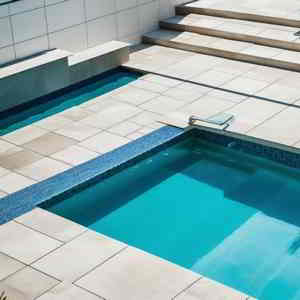
For more advice or tips you can contact us.
Boksburg Pool Service – pool services include:
Renovations East Rand
Repairs
Maintenance
Installation


